
What should I wear for my headshot?
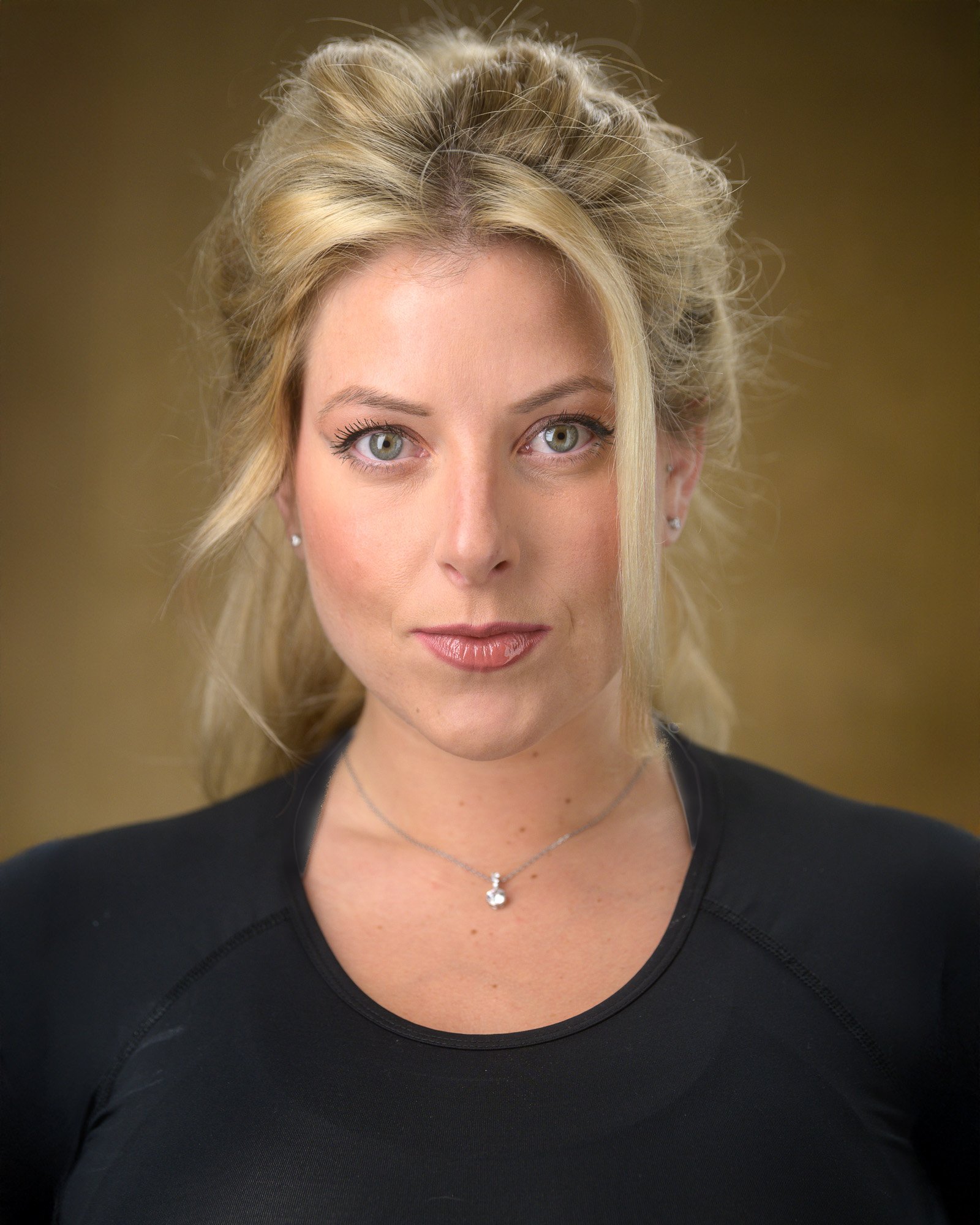
What you wear matters, but not because casting is judging your outfit. It matters because clothing can either help people see you clearly, or distract them at the exact moment they need clarity.
Spotlight’s advice lands on the same core idea again and again: keep it simple, keep it neutral, keep it you. No props, no hats, no noisy accessories, and no “make me look like a completely different person” lighting or retouching. Casting wants the real you, not an alternative-universe version of you who never creases, sweats, or ages.
I’ve created a blog to cover some of the basics below. If you are more of a visual learner, I’ve linked Michael Wharley’s useful explainer video as well.
The rule Actor’s actually need
Your outfit’s job is to support your face. If the first thing someone notices is your top, the outfit is winning and you are losing. Here’s how to win.
1) Keep the focus on your face
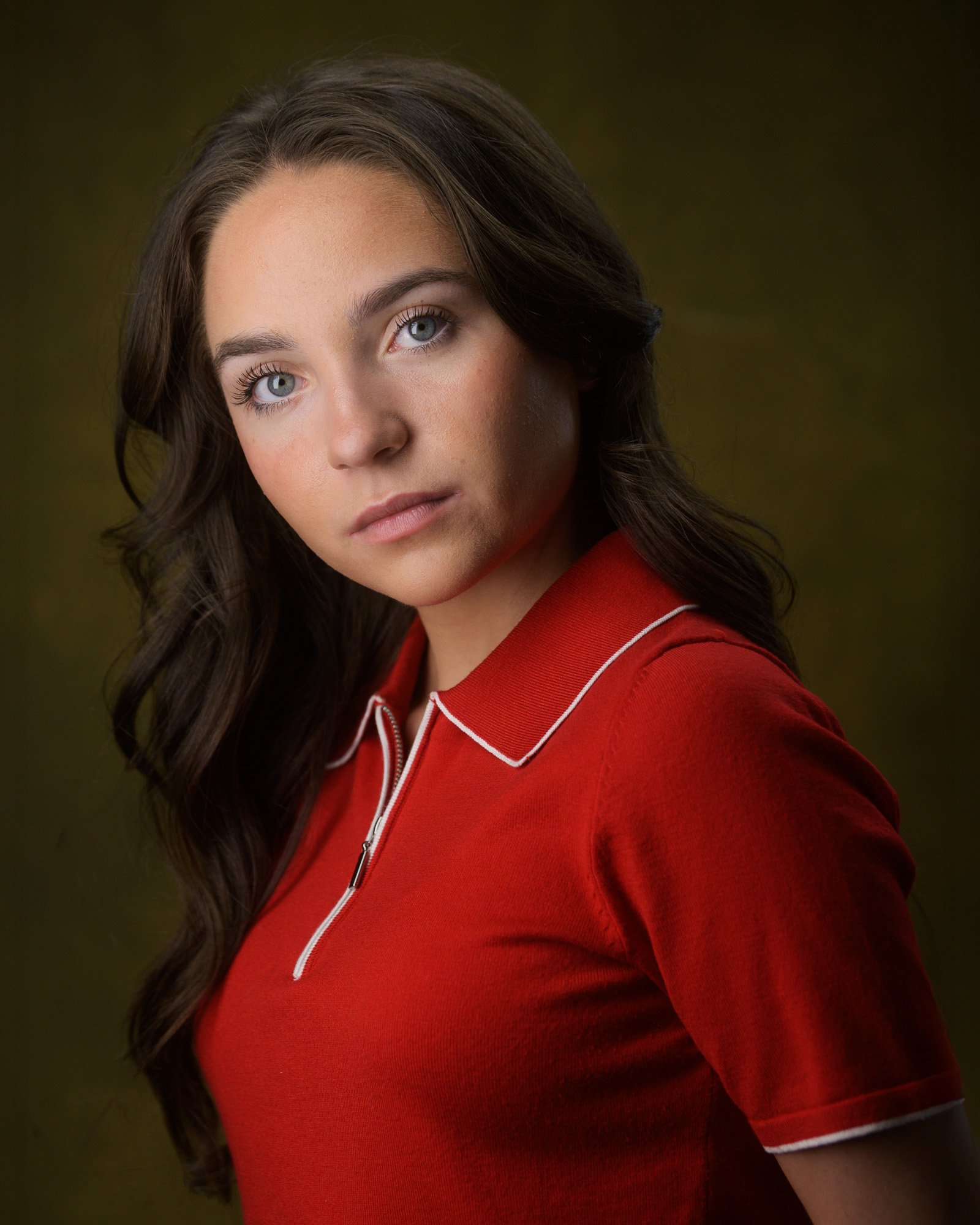
Go for solid colours or very subtle texture.
Avoid tight patterns (thin stripes, tiny checks). Cameras can create weird shimmering called moiré and it looks messy.
Skip logos and big graphics. You are not being cast as “person wearing a branded hoodie”.
Best bet: a plain tee, knit, or simple shirt with a clean neckline that frames your face.
2) Hint at your casting lane, without dressing up as a character
This is where you can be smart without going full costume.
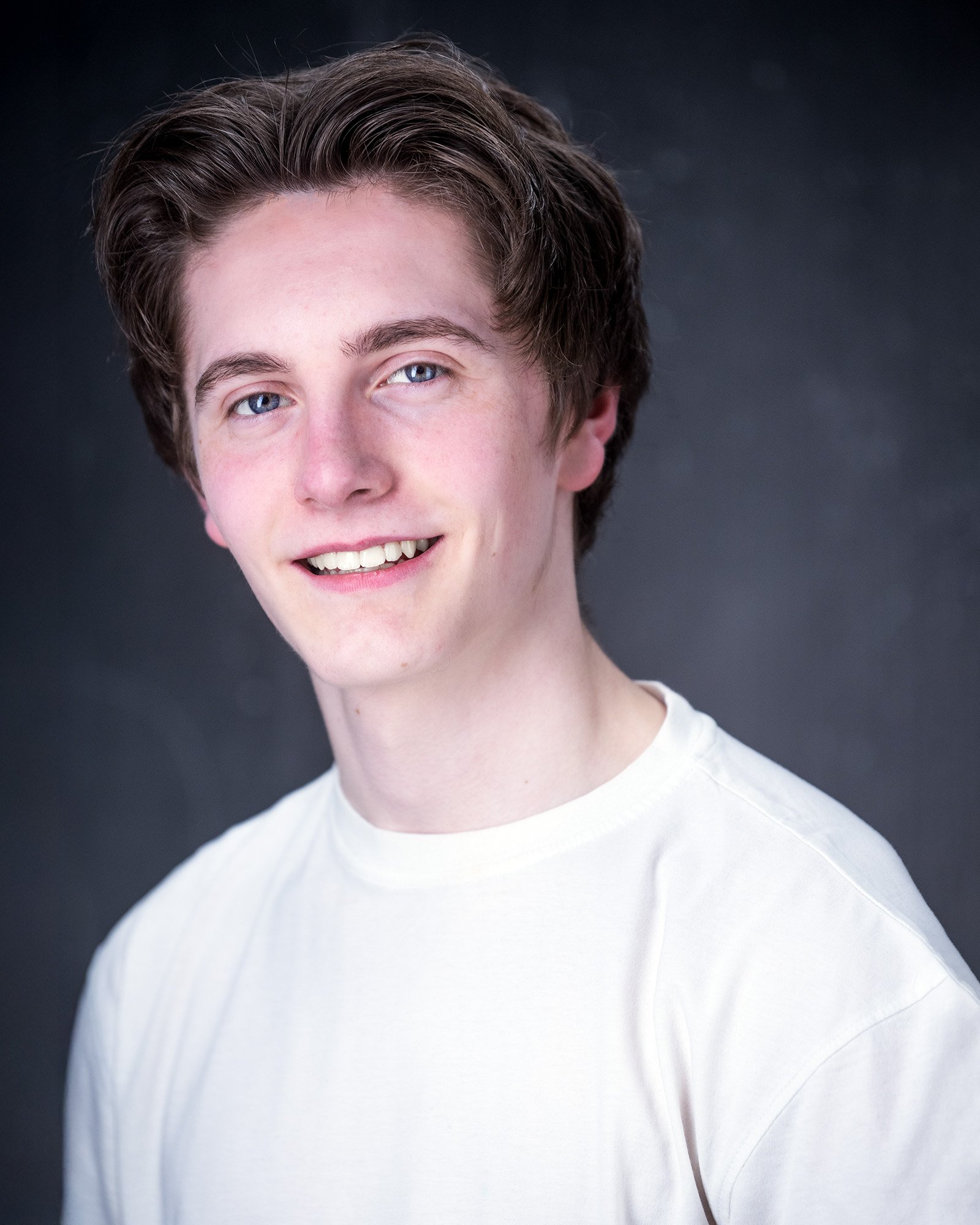
A plain tee + denim jacket reads different from plain tee + blazer.
A soft knit feels warmer than a crisp collar.
A dark top can feel more grounded for drama. A lighter top can feel more open for commercial.
None of these are “acting”. They are cues that help casting place you quickly.
3) Choose things that won’t date in six months
Trends move fast. Your headshots should be current, but not disposable. If you’re wearing something very “right now”, there’s a decent chance it will scream “2025” by next year.
Aim for clean, timeless basics that still feel like you.
A simple 2 to 3 look plan (that won’t melt your brain)
Try building your options like this:
Look 1: Bright and open (commercial, friendly, approachable)
lighter tones, softer fabrics, relaxed vibe
Look 2: Darker and grounded (drama, intensity, grit)
deeper colours, stronger contrast, slightly sharper feel
Optional Look 3: Your strength
authority, quirky, romantic lead, edgy contemporary
(Still not costume. Just a nudge.)
Hair, facial hair, and glasses: match real life
Spotlight is clear on this point too: your headshot should represent how you look now.
If you’ve changed your hair recently, shoot it like that.
If you sometimes wear glasses and sometimes don’t, bring them and get both.
If you plan to keep facial hair, keep it. If you plan to shave, shave.
The goal is simple: when you walk into the room, you should look like the person in the photo. Confusion is the enemy.
Makeup: “you on a good day”
Enough to even out and reduce shine. Not enough to look like your skin has been sealed in plastic.
If you do your own makeup, keep it natural and camera-friendly. If someone else does it, tell them you want “realistic headshot makeup”, not night-out glam.
What to bring to your session
Even if you only want two final looks, bring 5 to 7 tops. Camera and lighting can surprise you, and having options lets us adjust quickly.
Bring:
a couple of solid tops in different tones
one layer option (jacket, blazer, overshirt)
a lint roller if you have one
anything you wear daily that matters to your look (glasses, jewellery you always wear)
Spotlight note
Spotlight’s headshot guidance is blunt for a reason: simple clothing, minimal distractions, and a truthful look gives casting the best chance to see you properly.
If you want, I can also adapt this into a tighter Squarespace-ready version with punchier subheads, a short checklist graphic section, and a student-friendly CTA for booking.