
Albion Rovers Professional Headshots - Glasgow
Portraits of the Wee Rovers: Football, Identity and a New Look for Albion Rovers
On the edge of Coatbridge, in a corner of North Lanarkshire better known for steel and industry than glitz and glamour, sits one of Scotland’s oldest football clubs. Albion Rovers, founded in 1882, have spent more than a century weaving themselves into the fabric of the town: a small, stubbornly proud presence in a game increasingly dominated by money and global brands.
The “Wee Rovers” have never pretended to be anything they’re not. This is a community club first and foremost, volunteers on the gate, familiar faces in the stand, and a stadium that feels lived-in rather than polished. Yet for all the chips, Bovril and old songs on the terracing at Cliftonhill, the club now operates in a world where identity is also shaped online: by profile pictures, thumbnails, and the speed of a thumb scrolling past on a phone screen.
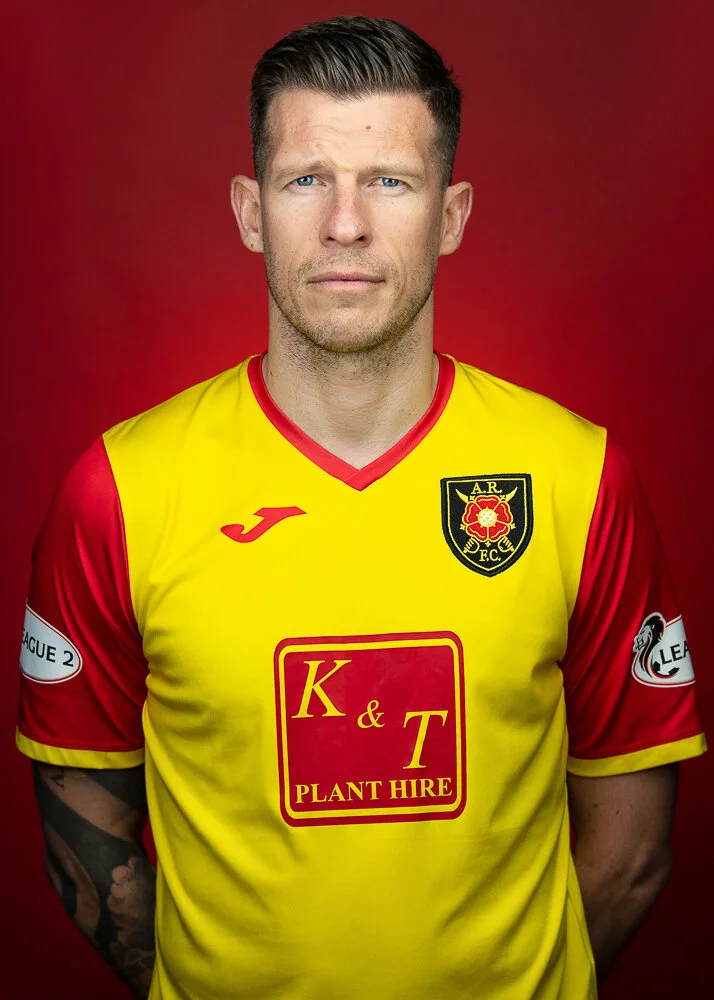
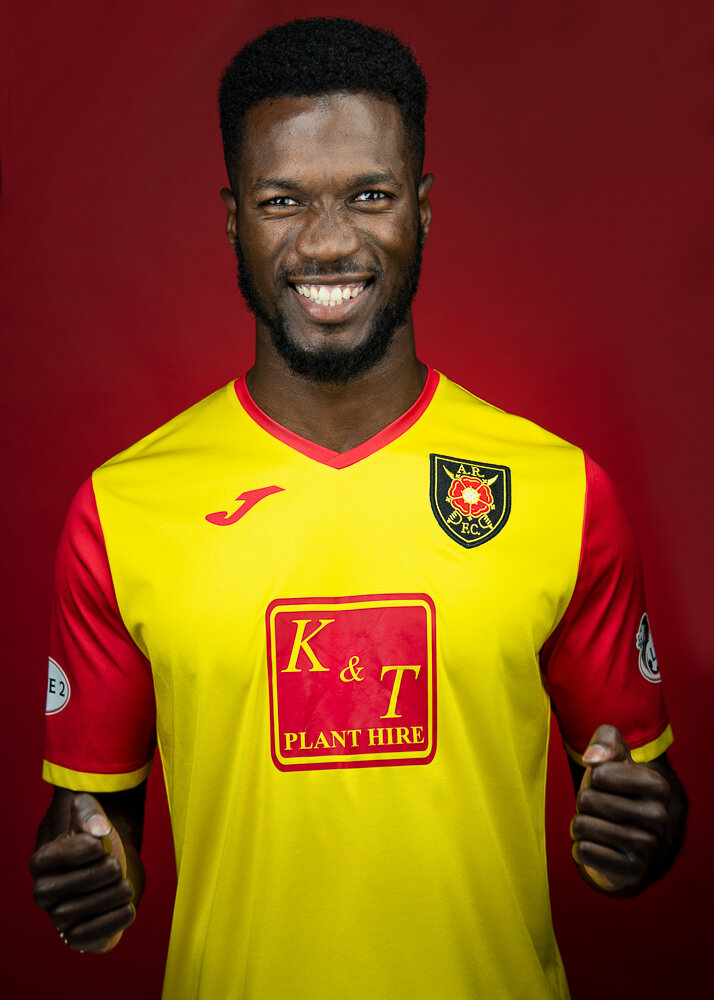
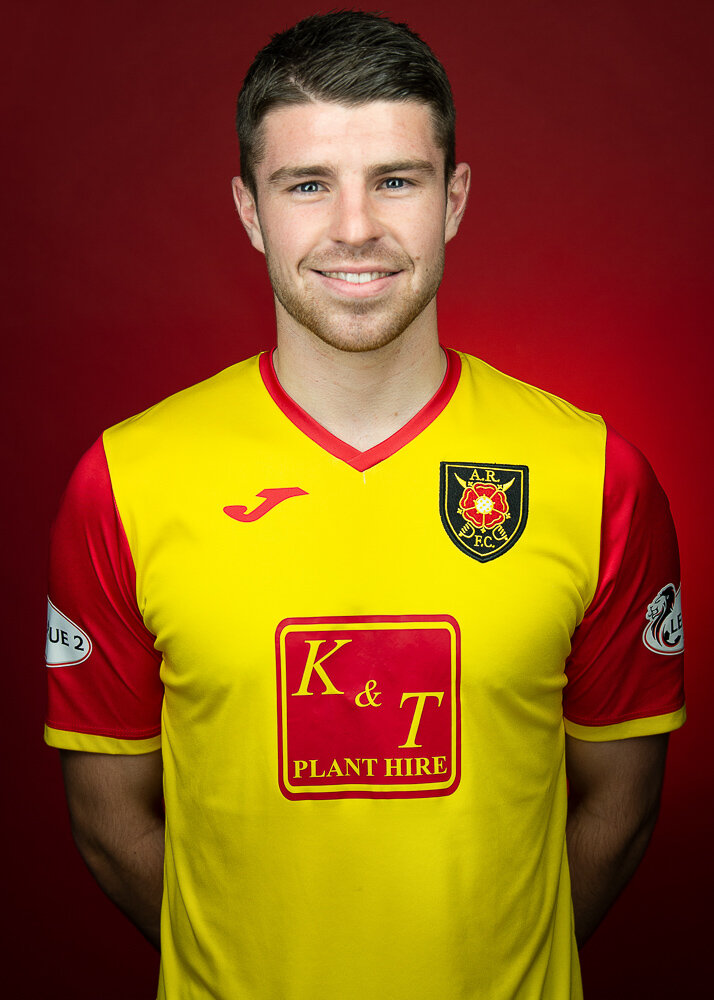
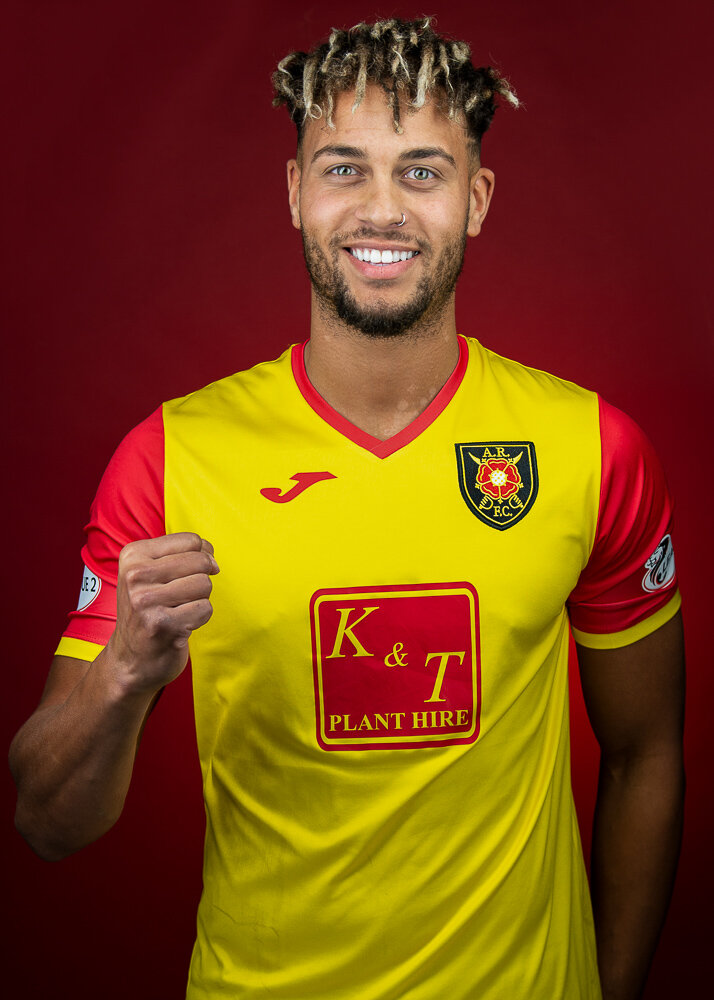
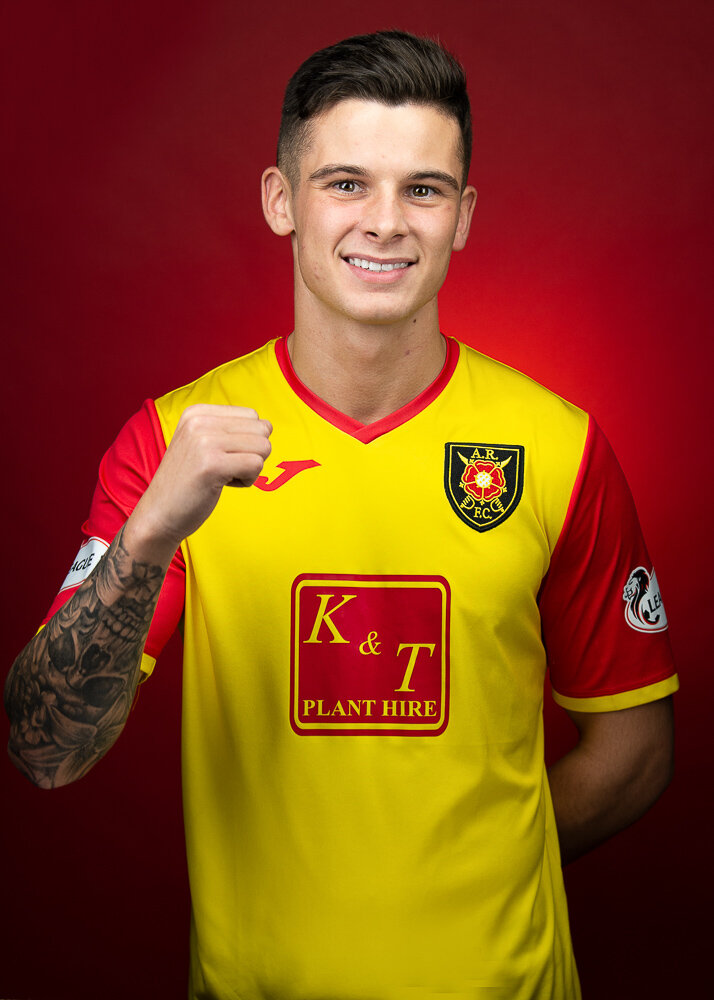
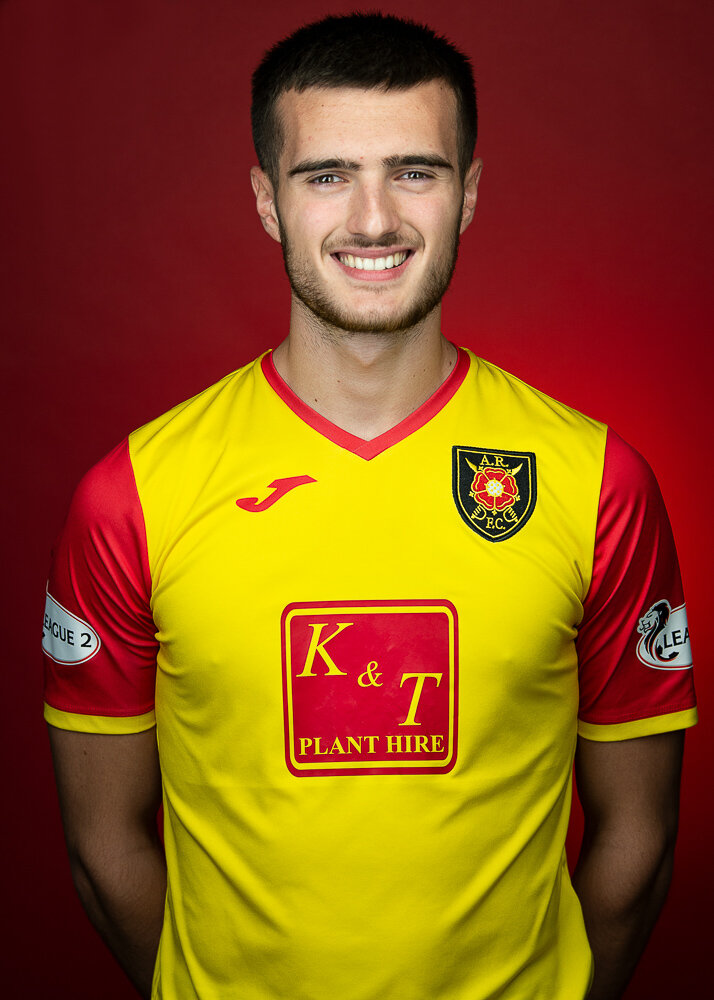
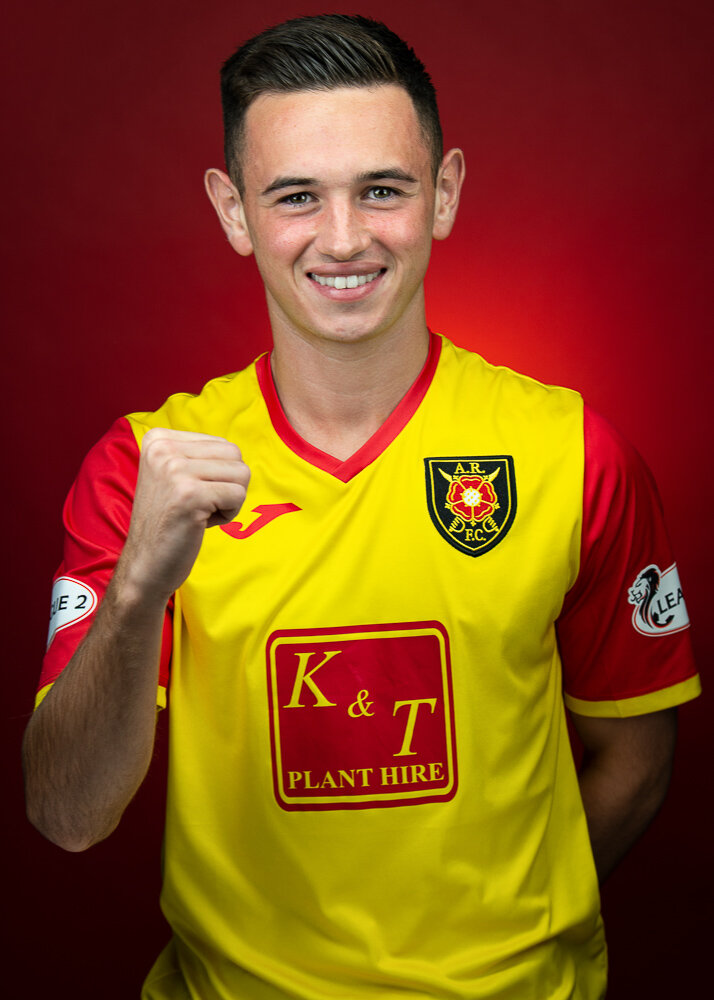
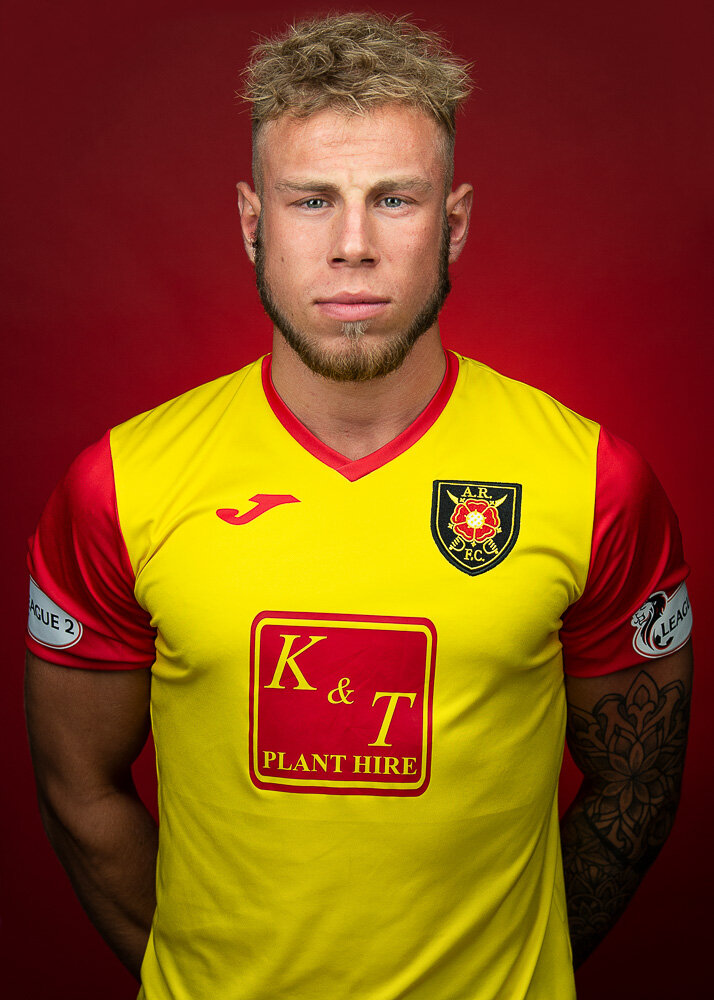
That’s where this small project came in. I’ve been working alongside Albion Rovers this season to refresh some of their photography, creating a set of clean, consistent headshots of the playing squad that can be used across the club’s website, social channels and printed materials. The images were photographed on a Nikon D4s with Profoto lighting: a simple, reliable setup that gives sharp detail, even light and a professional finish that still feels honest and unfussy.
At first glance, headshots might sound like a minor detail in the life of a football club. But at a place like Albion Rovers, they’re part of something bigger: an attempt to tell the story of a club, its people and its place in the game at a moment when all three feel particularly significant.
A Small Club With a Big Story
Albion Rovers are, in many ways, an outlier. Based in Coatbridge, they’ve spent much of their history punching upwards, joining the Scottish Football League in 1903, enjoying occasional promotions and cup runs, and more recently navigating the realities of life in the lower divisions and then the Lowland League after relegation in 2023.
They are also, increasingly, a club that lives in two worlds at once. On the one hand, there is the match-day experience at Cliftonhill: the noise, the weather, the familiar faces who’ve been coming for decades. On the other, there is the digital version of Albion Rovers – the one that exists in tweets, Instagram posts and Facebook updates, and reaches well beyond Coatbridge to supporters scattered across Scotland and further afield.
For smaller clubs, that online presence is not a luxury; it’s essential. It helps attract new fans, sustain existing ones, and keep the story of the club alive at a time when financial pressures on lower-league sides are intense and unrelenting.
Good photography isn’t a fix for those structural challenges, of course. But it does something important: it gives shape and personality to the people who wear the shirt.
Kevin Harper and the Question of Representation
The recent history of Albion Rovers can’t really be told without mentioning Kevin Harper. Appointed in November 2018, the former Hibernian and Portsmouth winger became the first Black, Asian or minority ethnic manager of a Scottish club in around 15 years – and one of the most high-profile black Scots to take on a frontline managerial role.
Harper took over a side rooted to the bottom of League Two and facing the very real prospect of dropping out of the SPFL altogether. Under his watch, Rovers clawed their way to safety, turning a significant deficit into an eventual cushion with one of the smallest budgets in the division.
His story, though, extends well beyond the touchline at Cliftonhill. Harper has spoken openly about the barriers he faced trying to move into coaching, sending dozens of applications, gathering qualifications, and still struggling to secure even an interview. He has described that experience in stark terms: as evidence of “ingrained racism” in the game, and a sign that the pipeline from black players to black managers remains painfully narrow.
For Albion Rovers, having Harper in charge was about more than just tactics and points. It made this small club part of a national conversation about race, opportunity and representation in Scottish football. At a time when players across the UK were taking the knee and speaking publicly about their own experiences of racism, Rovers found themselves with a manager whose presence alone challenged the idea of what a “typical” Scottish football boss looks like.
That context hangs over everything the club does, consciously or not. When you photograph the players, you’re not just making images for a team sheet; you’re documenting a group of people who are, in their own way, part of that evolving story.
Putting Faces to Names
The brief for this shoot was straightforward: give Albion Rovers a library of headshots that would work everywhere, website profiles, social media graphics, programme pages and press use.
In practice, that meant:
Consistency – similar framing, lighting and background so the squad feels like a cohesive unit when viewed together.
Clarity – sharp focus on the eyes, clean colour, and minimal distractions.
Personality – small variations in expression so each player looks like themselves, not a generic cut-out in club colours.
Using the Nikon D4s with Profoto lighting allowed us to control the look regardless of the famously changeable Scottish weather. The light is soft but directional, giving shape to the face without harsh shadows. It’s the kind of setup you’d expect to see in a studio, transplanted into the world of semi-professional football.
For the players, the experience is part photo session, part mini-interview. You get snippets of their journeys: local lads who grew up watching from the terraces, others who’ve travelled around the Scottish lower leagues, some still balancing football with work or study. Those stories don’t all make it into the final images, but they live behind them.
The end result is a series of portraits that do a quietly important job. They help supporters put faces to the names on the team sheet. They make it easier for the club to tell stories online. And they signal, in a small but visible way, that Albion Rovers take their identity, and their players, seriously.
Lower-League Football in a High-Definition Age
There’s a temptation to think of glossy imagery as the preserve of the elite: the preserve of clubs with giant sponsorship deals and in-house media teams, not those juggling budgets just to get a squad on the pitch.
But lower-league football exists in the same digital ecosystem as the Champions League. The same fans who watch viral clips from the Premier League on their phones will also scroll past Albion Rovers updates on Twitter or Instagram. The standards of what “good” looks like have shifted for everyone.
Investing time and care in photography isn’t about dressing up reality; it’s about respecting it. For a club like Rovers, whose financial situation has been the subject of anxious headlines and difficult boardroom decisions, clear and confident imagery sends an important message: we are still here, still proud, still worth paying attention to.
Headshots won’t decide promotion or relegation. They won’t magically solve ownership issues or plug gaps in the balance sheet. But they can help build a sense of professionalism and pride – for the players who see themselves represented properly, and for supporters who want to feel that their club is moving forward, not fading quietly into the background.
Football, Community and the Power of a Photograph
Albion Rovers have always been more than a line in the league table. They’re a gathering point for Coatbridge; a place where histories overlap, friendships form, and generations share the same cold steps on a Saturday afternoon.
In a season where the club’s future, like that of many smaller teams, has felt precarious at times, creating these images has been a reminder of something simple: football is ultimately about people. Managers like Kevin Harper, who carry the weight of making the game fairer as well as winning matches. Players who train midweek and give their all for a wage that would barely cover a top-flight player’s boots. Volunteers who open gates, run social media accounts and sell programmes.
Headshots might seem like a small detail in that bigger picture. But they are also a way of saying: these people matter. Their stories matter. This club matters.
Further Reading & Places to Explore
If you’d like to dig deeper into the story of Albion Rovers and Kevin Harper, these are good starting points:
Albion Rovers official website – for fixtures, news, interviews and club updates, including features on the history of Cliftonhill and the community around it. albionroversfc.com
Club history articles on the Rovers site – covering the 1882 merger that created the club, early years at Meadow Park and the move to Cliftonhill. albionroversfc.com
Kevin Harper’s biography and coaching record – for an overview of his playing career, his spell in charge of Albion Rovers and his place in Scottish football history. Wikipedia
In-depth interview pieces with Harper – including features discussing his experiences of racism in football and the hurdles he faced in getting a first managerial job. The News+2The Times+2
Articles on the financial challenges facing lower-league Scottish clubs, where Albion Rovers are often highlighted as an example of the pressures on historic community teams. The Scottish Sun
Together, they paint a fuller picture of a small club with a big story – one that stretches far beyond the frame of any single photograph.